Your Neighbor Is Live-Posting the Police Scanner Now
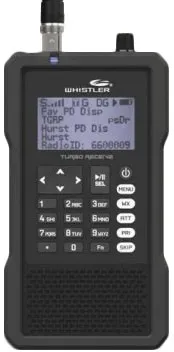
Photo: Lukas1231, CC BY-SA 4.0, via Wikimedia Commons
There is a particular kind of account that has become impossible to scroll past in 2026. It is not a news outlet. It is not a government agency. It is a person — often anonymous, often in a spare bedroom — listening to a police scanner and typing what they hear, in real time, for an audience that may be spread across the entire country.
The model is simple. A scanner app costs a few dollars a month. A repost tool is free. A story involving sirens, a lockdown, or a helicopter hovering over a neighborhood will do the rest. Within minutes, a hyperlocal dispatch becomes a national feed item, and a national feed item becomes the first thing thousands of people learn about a crime they will never see in their own city.
From Hobby to Wire Service
Two decades ago, listening to a police scanner was a niche pastime — retirees, amateur radio operators, the occasional night-shift worker with a police radio on the kitchen table. The hobby stayed local because the technology did. If you wanted the scanner, you had to be near it.
That link is gone. Feeds stream online, clips get pulled within seconds, and the person posting does not need to live anywhere near the incident. Some of these accounts now have followings in the hundreds of thousands. When something big happens in a mid-size American city, the scanner account is frequently the first place the public hears about it — ahead of the local paper, ahead of the TV affiliate, ahead of the department's own social media team.
The Speed Premium
The reporting is often accurate in the narrow sense: the dispatcher really did say that. But scanner traffic is a stream of initial reports, not a record of what happened. Officers broadcast descriptions that do not match the person they eventually arrest. Callers describe what they think they saw. A pursuit crosses three jurisdictions and gets narrated by three different voices.
Crowdsourced feeds inherit all of that and strip out the part where a reporter spends the afternoon confirming it. The accounts that do it well add caveats, wait on names, and label everything unverified. The accounts that do it poorly treat a dispatcher's description as a conviction.
Names Get Out Fast. Corrections Get Out Slow.
This is where the model causes real damage. A scanner account posts a name — from a dispatch, a witness, a rumor — and the name travels. It gets screenshotted, quoted, aggregated. If that person is later released without charges, the correction gets a fraction of the reach.
For families, that sequence is brutal. There have been repeated cases in recent years of relatives learning about an injury, an arrest, or a death from a social feed before any official notification. Local reporters have long wrestled with the ethics of naming people early. Many scanner accounts have not yet decided the question is worth asking.
Privacy, and the People in the Background
Most scanner traffic is mundane: traffic stops, alarms, welfare checks, medical calls. Broadcasts are often restricted for exactly this reason, but restrictions vary by department, and streamed feeds do not always respect them. Addresses, apartment numbers, and details about mental health crises or minors can end up on a public timeline with no context and no expiration date.
Residents of a neighborhood where something happened did not sign up to be characters in a national story. Increasingly, they are.
What Newsrooms Are Actually Doing
Local reporters monitor the same feeds everyone else does — but they use them as a tip line, not a wire service. The healthiest newsroom practice in 2026 looks like this: treat the scanner post as a lead, call the department, wait for a public information officer, verify the name with a second source, then publish.
That takes hours. In a market with fewer reporters than it had a decade ago, it also takes staff that many outlets no longer have. Some newsrooms have responded by crediting the scanner accounts openly and building a relationship with the more careful ones. Others quietly rely on them and then complain about the competition.
Watchdog or Accelerant?
Both, depending on discipline. A well-run crowdsourced feed can pull back the curtain on police activity in places where no reporter is on duty at 2 a.m., and that has genuine accountability value. A careless one can wreck a reputation, inflame a neighborhood, and turn a rumor into a permanent search result.
The difference is not the app. It is the small decisions — whether to name a person, whether to say unconfirmed, whether to correct as loudly as you posted. Those are newsroom decisions, and a lot of people are making them now without ever calling it that.