The Uncle Who Forwards Everything: The Unwritten Rules of News in the Family Group Chat

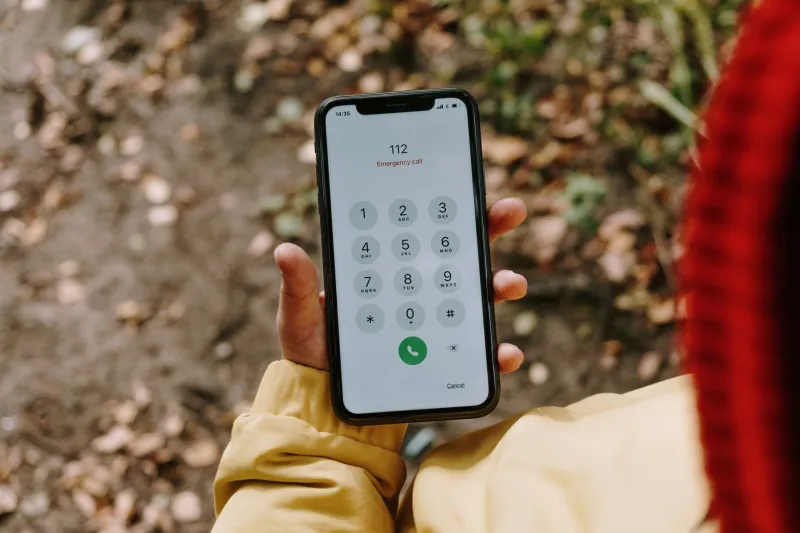
Photo by Photo by freestocks on Unsplash on Unsplash
It Starts With a Link and No Context
You know the message. Just a URL dropped into the family chat at 6:47 in the morning, no words, no source, no explanation, followed eleven seconds later by three of the same thing from a different relative. Whatever it is, it's about to be everyone's afternoon.
Private group chats have quietly become one of the most powerful distribution channels for breaking stories in the US, and almost none of it is visible to anyone outside the thread. A neighborhood chat in Charlotte hears about a highway closure before any local outlet posts it. A cousin's group in Fresno circulates a grainy video hours before anyone verifies what it shows. By the time the story reaches a website, it's often already old news to the forty people who saw it in a message thread first.
That's not a scandal. It's just where we are. The problem is that nobody in these chains agreed to be the editor.
Nobody Elected the Moderator
Every active group chat has one — the person who quietly decides which links get acknowledged and which get scrolled past. Sometimes it's the person who made the group. Often it's just whoever can't help themselves.
It's an unpaid, unrequested job, and the stakes are weirdly high. Because chats blend worlds that used to stay separate. Your college roommates, your mother-in-law, and the guy from your old job are all in the same thread, digesting the same link with completely different toolkits.
The Four People in Every Chat
Talk to enough people about how news moves through their text threads and the same archetypes keep surfacing.
The firehose. Sends everything, reads nothing, means well. Usually first to the story and last to the correction.
The checker. Replies with a link of their own and a short note: "this one says otherwise." Gets called a buzzkill roughly once a month.
The peacekeeper. Responds to every developing argument with an all-caps joke or a dog photo. Underrated, honestly.
The lurker. Has not sent a message since 2023 but reads every single one, and will absolutely bring up the story at brunch.
When the Thread Becomes a Hotline
The shift from chat to misinformation hotline doesn't happen because anyone is gullible. It happens because the format rewards speed. A forward takes one thumb. A fact-check takes four minutes and makes you the person who made it weird.
So the bad stuff travels, and so does the good stuff, and the two become hard to separate. A local water main break turns into a rumor about a boil-water order that never existed. A single comment from a public meeting becomes a viral claim about a policy that doesn't apply anywhere. The chat isn't lying, exactly — it's just passing along whatever arrived.
Rules That Actually Work
No one wants to lecture their relatives about media literacy over text. But the groups that stay functional tend to land on a few informal norms, and they're less about policing than about lowering the cost of skepticism.
- Ask one neutral question. "Where's that from?" is short, non-hostile, and surprisingly effective.
- Make checking a group habit, not a personal callout. If two people routinely drop context links, verification stops feeling like an attack.
- Quarantine the heavy stuff. Some families spin up a separate thread for political stories so the main chat stays about the dog and the wedding photos.
- Name the pattern once. "Hey, can we hold off on forwarding until someone confirms it?" works better than forty individual corrections.
- Let people be wrong without a trial. The person who forwarded something bad is far more likely to keep listening if they aren't cornered.
The Value of the Boring Chat
It's easy to be gloomy about all this. But something genuinely useful is happening alongside the chaos. Group chats are a distribution network built entirely out of trust — not brands, not algorithms, not engagement metrics. When your sister sends something, you open it because you know her. That's a powerful and deeply human filter, and it's the reason a lot of important local information reaches people who've stopped reading news sites altogether.
The whole thing works better when members treat the thread less like a megaphone and more like a potluck: bring something, label it, and don't force anyone to eat it.