The Loudest Thing in a Breaking Story Is Usually the Silence
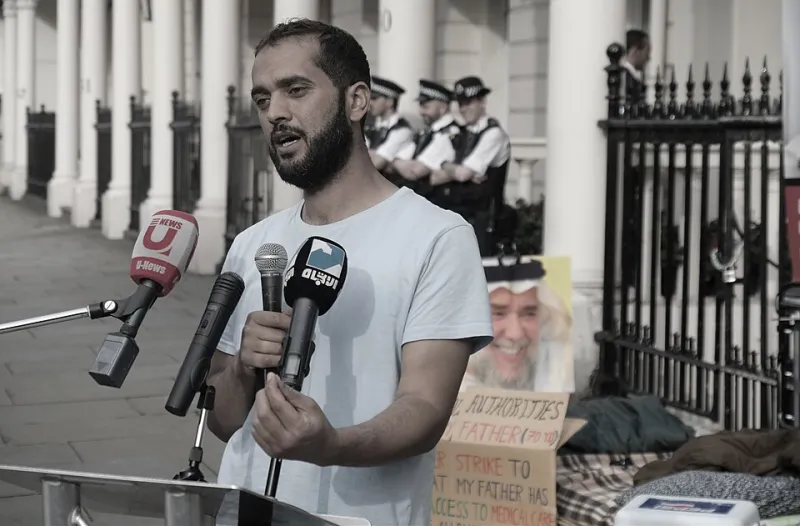
Photo: Alisdare Hickson from Canterbury, United Kingdom, CC BY-SA 2.0, via Wikimedia Commons
Every breaking story in 2026 comes with a soundtrack of people not talking.
A company gets hit with a lawsuit and issues a statement saying it does not comment on pending litigation. A celebrity is photographed somewhere they would rather not be, and the publicist replies with three words and a period: no comment. A city official is asked about a leaked memo and produces a sentence so carefully constructed it contains no information at all.
We used to treat silence as an absence. Increasingly it is a move — planned, timed, and priced.
The Non-Answer Is a Strategy Now
Strategic silence is not new. What is new is how routine it has become, and how quickly it appears. In the first hour of a story, the decision to say nothing is often made before the facts are in, because the people advising the accused have learned that an early statement becomes a permanent quote.
There is a logic to this. Anything you say on day one will be measured against what is known on day nine. If you are wrong early, you spend the rest of the cycle correcting, and the correction never catches the original. If you say nothing, you keep every option open — you can settle, deny, apologize, or disappear.
So the modern playbook runs roughly like this: acknowledge receipt, decline substance, wait for the news cycle to move. The statement is not meant to answer the question. It is meant to end the conversation about whether there will be an answer.
Why Silence Works
Silence buys time, and time is the only currency that reliably devalues a scandal. A story without a fresh quote has less to feed on. Reporters need new material to keep a piece alive, and a spokesperson repeating the same five words eventually stops being material.
It also denies the story a villain who talks. Audiences fill silence with whatever they already believe about the person or the company. For a brand with a strong reputation, that can be protective. For one with a shaky reputation, it is a gift to the other side.
The risk is that silence is only cheap in the short term. In the long term it tends to get quoted back — sometimes years later, in a documentary or a court filing, as evidence that someone knew and chose not to speak.
What Newsrooms Do With a Closed Door
For a reporter, a non-answer is still information. It gets written into the story in a very specific way: the company declined to comment. Those six words tell a reader something real, even if they do not tell them the thing they asked about.
But newsrooms are also under pressure to keep the story moving, and a wall of silence pushes coverage toward the people who are willing to talk — attorneys, former employees, neighbors, the friend who posts a screenshot. That shapes the story. Whoever speaks first sets the frame, and the silent party is left responding to a narrative it did not write.
Some outlets have gotten better at labeling the silence explicitly: exactly what was asked, exactly when, exactly who declined. That paper trail is the closest thing to a check on a strategy designed to leave no trace.
What the Rest of Us Actually Hear
Audiences in 2026 are not naive about this. We have watched enough cycles to recognize the sentence that means we are not answering that. And yet the reading is not consistent. Some people hear guilt. Some hear good legal advice. Some hear nothing at all, because the story never reaches them in the first place.
The quiet part is that silence works differently depending on who you are. A CEO with a communications team can outlast a news cycle. A person without one, facing the same accusation, gets no such grace. The strategy is available to everyone in theory and to very few in practice.
When the Silence Stops Working
Silence holds until something forces a door open — a document, a deposition, a second accuser, a video. At that point the same non-answer that looked disciplined starts to look like concealment, and the eventual statement has to carry the weight of everything that was not said earlier.
The tell is usually timing. A statement issued in the first twelve hours reads as a response. A statement issued after a document surfaces reads as a concession.
So the real question for anyone choosing the closed door is not whether silence will work this week. It is whether they can afford what it will sound like when someone finally opens the door for them.