A major shift in federal food assistance policy will take effect in March, reshaping eligibility for millions of working-class Americans. New, expanded work requirements for the Supplemental Nutrition Assistance Program (SNAP), commonly known as food stamps, are now in full effect nationwide, impacting a broader spectrum of recipients than ever before. These changes, stemming from the “One Big Beautiful Bill Act” (OBBBA), signed into law in July 2025, expand the group required to meet work criteria and tighten pathways to exemption. You need to know these details, for they directly influence access to crucial support for families and individuals striving for stability.
For many, the initial three-month grace period for compliance has elapsed or is rapidly drawing to a close. States like South Carolina saw these new requirements begin on February 1, 2026; Maryland’s impacts commenced in March 2026. Illinois marked February 2026 as the first potential countable month for many able-bodied adults without dependents (ABAWDs). What are the implications for your household? It means a new urgency to comprehend your obligations and potential avenues for continued assistance.
The Expanding Net: Who Must Now Meet Work Requirements?
The most profound alteration involves the age range for individuals classified as Able-Bodied Adults Without Dependents (ABAWDs). Previously, these work requirements primarily focused on adults up to age 54. Under the OBBBA, the age limit has expanded dramatically, now encompassing individuals aged 18 through 64. The expansion means many older adults, previously exempt, must now demonstrate work activity to maintain their SNAP benefits. Imagine being in your late 50s or early 60s, having worked your entire life, and suddenly facing new hurdles to put food on your table. It’s a stark reality for countless Americans.
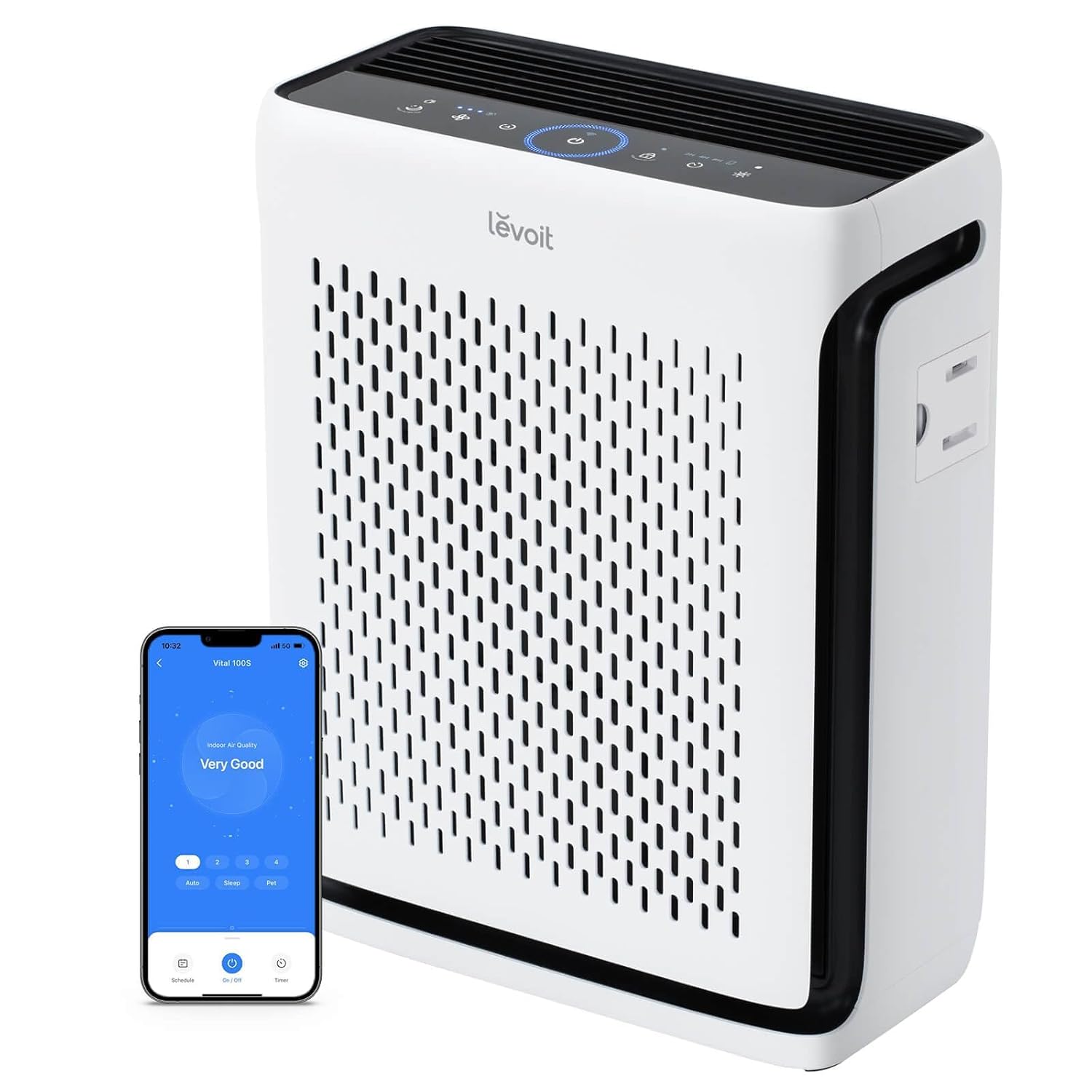
- 𝐏𝐄𝐓 𝐎𝐖𝐍𝐄𝐑𝐒 𝐅𝐑𝐈𝐄𝐍𝐃𝐋𝐘: Pet Mode cleans the air, while the wide U-shaped air inlet effectively traps airborne pet fur and large particles
- 𝐇𝐈𝐆𝐇 𝐏𝐄𝐑𝐅𝐎𝐑𝐌𝐀𝐍𝐂𝐄: Vital 100S-P offers powerful filtration, with 99.97% filtration efficiency in capturing fine particles sized 0.1-0.3μm, such as pollen, dust, and pet dander
- 𝐖𝐀𝐒𝐇𝐀𝐁𝐋𝐄 𝐏𝐑𝐄-𝐅𝐈𝐋𝐓𝐄𝐑: Rinsing the Pre-Filter with water helps maintain the 3-stage filtration system. The High-Efficient Activated Carbon Filter helps remove pet odors, fumes, and VOCs
- 𝐂𝐑𝐄𝐀𝐓𝐄 𝐒𝐂𝐇𝐄𝐃𝐔𝐋𝐄𝐒: Set precise start and end times for Vital 100S-P, choose fan speed or use a mode like Pet Mode, Auto Mode, or Sleep Mode for different periods of time
Beyond the age expansion, the OBBBA introduced other critical modifications. Parents with children aged 14 or older, who were previously exempt from these work rules, now fall under the ABAWD category. The adjustment means caregivers with teenage children must meet the same work criteria as other ABAWDs, adding another layer of complexity for working parents.
Perhaps a highly unexpected and impactful change involves groups previously considered exempt. The Fiscal Responsibility Act of 2023 initially carved out specific exemptions for veterans, individuals experiencing homelessness, and young adults (age 18-24) who aged out of foster care. Nevertheless, the subsequent One Big Beautiful Bill Act, enacted in July 2025, removed these crucial protections. The reversal means these vulnerable populations, who frequently confront significant barriers to stable employment and housing, must now comply with the same rigorous work requirements as other ABAWDs. For these individuals, the loss of the exemption presents an immense challenge in securing their next meal.
The Three-Month Clock: Comprehending the Time Limit
If you fit the ABAWD definition and do not qualify for an exemption, you confront a strict time limit: receipt of SNAP benefits is limited to three months within a 36-month period. Once those three months are utilized, benefits cease unless you meet the work requirements. For many states, a new 36-month eligibility period began on January 1, 2026, resetting the clock for time-limited recipients. The implication: benefits for anyone not meeting the requirements since early 2026 are subject to lapse as early as May 1, 2026.
What Counts as Meeting the Requirement?
To continue receiving SNAP past the three-month limit, ABAWDs must engage in a qualifying work activity for at least 80 hours per month. The requirement equates to approximately 20 hours per week. The good news is “work” here extends beyond traditional paid employment. It encompasses a variety of activities, including:
- Paid work for at least 80 hours a month, earning at least $217.50 per week (30 times the federal minimum wage).
- Unpaid volunteer work or work done in exchange for goods or services.
- Participating in an approved education, job training, or community service program for at least 80 hours a month. Such participation includes the SNAP Employment and Training (E&T) program or workfare.
- A combination of these activities, totaling at least 80 hours monthly.
A job search alone, without enrollment in a training program, generally does not count toward these hours. If you perform unpaid or volunteer work, you need to complete and submit a special verification form to your state agency.
State Flexibility: A Narrowing Path for Waivers
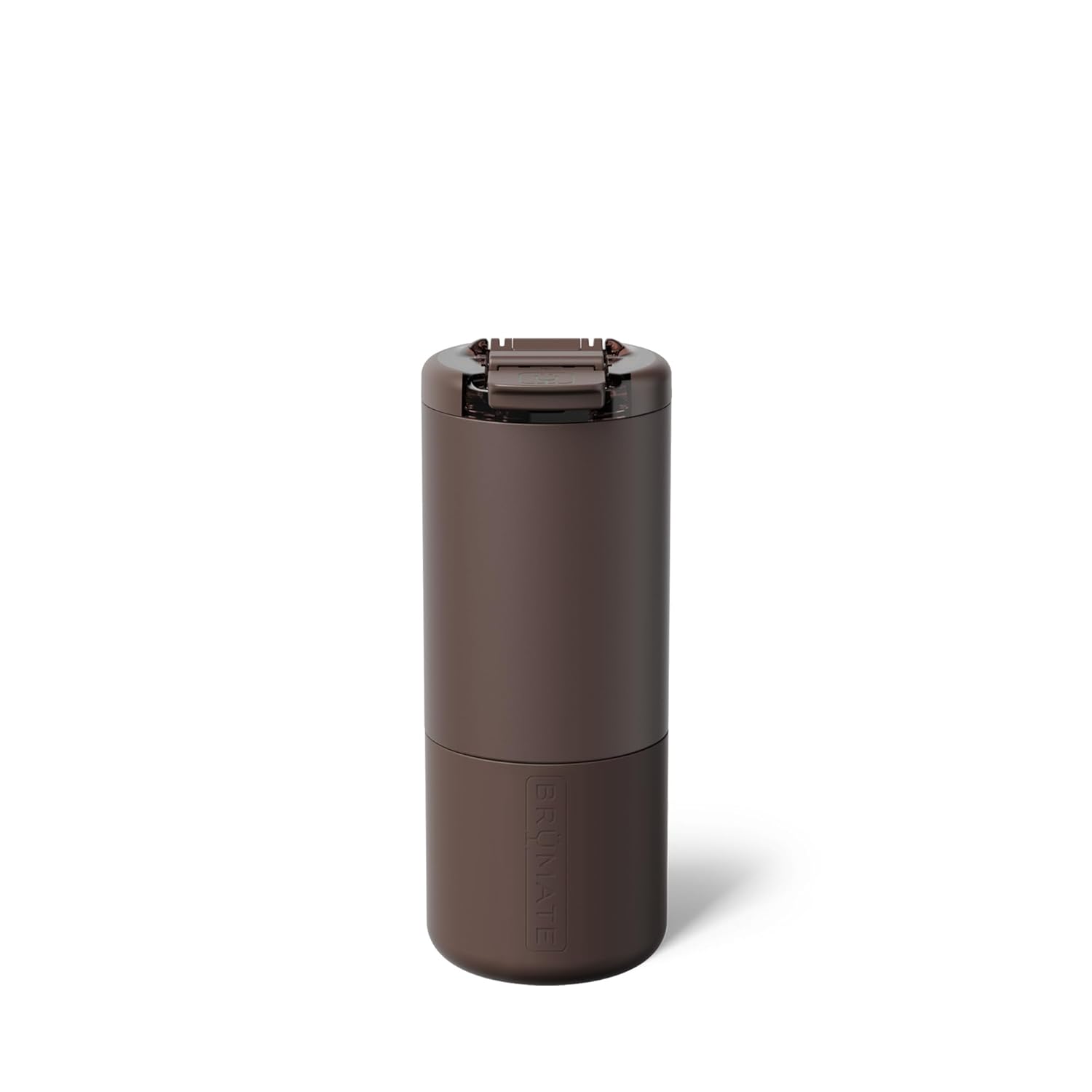
- PURESIP CERAMIC LINING: Strova features our PureSip ceramic interior paired with insulated stainless steel for those that are looking for an authentic ceramic coffee mug experience with the benefits of our BevGuard insulated technology.
- BUILT-IN SILICONE SLEEVE: The Strova series has our patented durable and swappable silicone body sleeve to prevent dents and dings while making your mug more customizable than ever.
- CUP-HOLDER FRIENDLY + DISHWASHER SAFE: Strova has a tapered design that fits all standard cup holders, and most finishes are dishwasher safe for easy cleaning.
States historically held discretion to waive SNAP work requirements in areas experiencing high unemployment or a scarcity of jobs. The OBBBA significantly tightens these waiver provisions. Now, states are permitted to request temporary waivers for areas where the unemployment rate exceeds 10 percent. The threshold is notably high, making it far more challenging for states to provide relief in regions with limited job opportunities during economic downturns. The USDA projects 408 counties are set to lose area-waiver eligibility due to these changes. The restriction reduces a critical safety net for communities struggling with joblessness.
The USDA’s Stance and Broader Impact
The U.S. Department of Agriculture’s Food and Nutrition Service (USDA FNS), which oversees SNAP, has emphasized the program’s dual purpose: providing food security and promoting self-sufficiency through work. The changes introduced by the OBBBA align with the stated goal of assisting low-income adults in obtaining employment and increasing their earnings.
Nevertheless, the Congressional Budget Office (CBO) estimates the OBBBA is projected to reduce federal funding for SNAP by a staggering $186 billion through 2034, marking it as the largest cut to food assistance in history. The legislation begins to shift administrative and benefit costs to states. Experts voice concerns about the human impact; research indicates increasing work requirements for social safety net programs leads to people losing benefits rather than gaining employment.
The changes intersect with new Medicaid work requirements beginning January 1, 2027, as the reconciliation law signed in July 2025 introduced changes to SNAP work requirements aligning them more closely with these new Medicaid rules.
What Actions to Pursue Right Now
Given these changes firmly in place, it’s paramount to ascertain your status. Do these new requirements pertain to you? Are you now considered an ABAWD? If you have received notifications from your state agency, do not delay in responding. Your contact information held by the state must remain current.
If you believe you qualify for an exemption, such as being unable to work due to a physical or mental health condition, being pregnant, or caring for a child under 14, gather any necessary documentation. Submit medical statements from doctors or therapists promptly. If you have questions or need to report an exemption, contacting your state’s SNAP agency immediately remains your best course of action. Many states provide dedicated helplines and online portals for assistance. A specific contact point is the SC DSS Connect Call Center, available at 1-800-616-1309.
The landscape of SNAP eligibility has undeniably shifted. Staying informed and proactive represents your strongest defense against any disruption to your vital food assistance.